Imagine a world where your home knows you better than your best friend. Future smart homes are poised to transform everyday living into a seamless blend of comfort and convenience. With a flick of a wrist or a simple voice command, these homes will adjust the temperature, brew your coffee, and even remind you to take out the trash—because let’s face it, someone has to do it.
Future Smart Homes: An Overview
Future smart homes will redefine daily living, allowing technology to seamlessly integrate into everyday tasks. Residents can expect devices programmed to learn individual preferences, adjusting settings based on past behaviors. For instance, smart thermostats may identify when someone usually wakes up, optimizing temperature for comfort every morning.
Innovations such as voice-activated assistants will provide hands-free control over various systems, from lighting to security. Smart kitchens might feature appliances that communicate with each other, making meal preparation more efficient. Refrigerators could send notifications when grocery items run low, automating shopping lists or even placing orders online.
Safety will play a crucial role in future smart homes. Sensors will monitor environments, sending alerts about unusual activities or potential hazards. Homeowners could receive real-time updates about carbon monoxide levels or intruders, ensuring peace of mind.
Energy conservation represents another key benefit of smart homes. Intelligent systems can track energy usage and suggest ways to reduce consumption, from adjusting heating during peak hours to turning off lights when rooms are unoccupied. With smart grids, homes may even sell surplus energy back to the electricity provider.
Connectivity stands central to the functionality of future smart homes. They will use Internet of Things (IoT) technology to create networks among devices, allowing for quick responses to various commands. These homes promise not just enhanced convenience but also an increased focus on sustainability, security, and overall efficiency in managing daily life.
Technological Advancements in Smart Home Devices
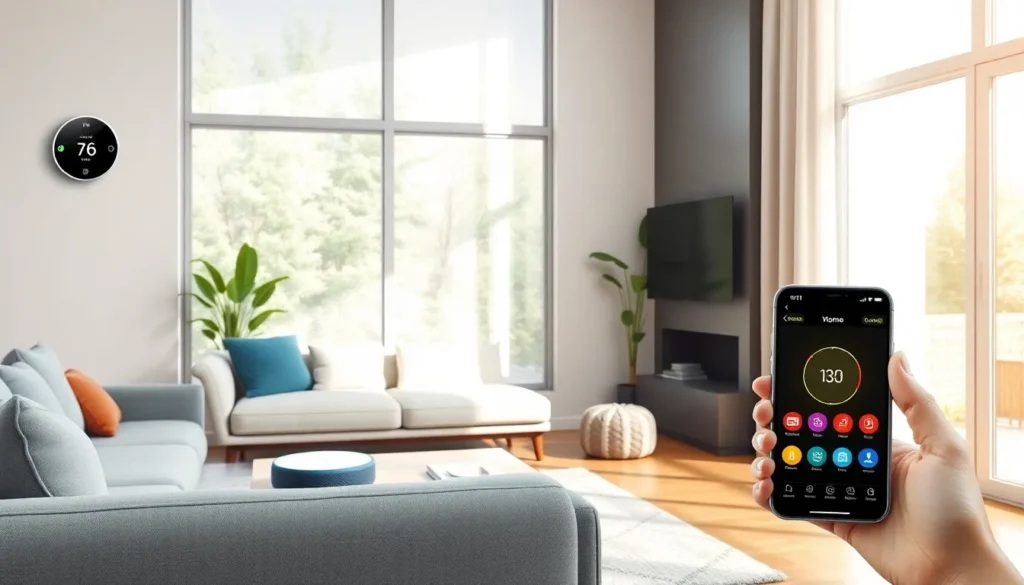
Smart home devices continue to evolve, incorporating cutting-edge technologies that significantly improve daily living experiences. These advancements enhance convenience, security, and energy efficiency.
Artificial Intelligence Integration
Artificial intelligence (AI) plays a crucial role in future smart homes. Devices equipped with AI can learn individual routines and preferences, which enables them to adjust settings automatically. For example, smart thermostats analyze historical usage patterns to optimize energy consumption while maintaining comfort. Voice-activated assistants, another AI innovation, allow intuitive hands-free control of various systems, from lighting to security measures. This deep integration of AI not only increases efficiency but also makes the home more responsive and user-friendly.
Internet of Things (IoT) Connectivity
The Internet of Things (IoT) serves as the backbone of smart home technology. IoT enables interconnection among a vast array of devices, allowing them to communicate and work seamlessly together. For instance, smart locks can integrate with security cameras to provide real-time alerts when unauthorized access occurs. Devices also share data, resulting in more informed decisions about energy management. Homeowners benefit from comprehensive control through a single interface, making it easier to manage different systems and enhances overall efficiency. Integration of IoT significantly contributes to the creativity and adaptability of future smart home environments.
Benefits of Future Smart Homes
Future smart homes provide numerous advantages that enhance the quality of life for residents. Through intelligent integration of technology, these homes offer unparalleled convenience, security, and efficiency.
Enhanced Security Features
Surveillance systems monitor homes with real-time alerts. Smart locks provide access control, ensuring only authorized individuals can enter. Sensors detect unusual activities, alerting homeowners to potential threats. Cameras offer remote viewing, allowing users to check on their property from anywhere. These systems connect seamlessly for comprehensive security management. Monitoring devices facilitate peace of mind, enhancing safety at all times.
Energy Efficiency and Sustainability
Smart homes track energy usage patterns, promoting awareness and conservation. Intelligent systems automatically adjust lighting and temperature settings for optimal energy savings. Eco-friendly appliances lessen environmental impact through efficient operation. Real-time feedback on energy consumption encourages sustainable practices. Data-driven insights help homeowners reduce waste and lower utility bills while promoting energy efficiency. This sustainable approach supports a greener future.
Challenges Facing Future Smart Homes
Smart homes promise numerous advancements, but several challenges affect their growth. Privacy concerns and implementation costs emerge as significant barriers.
Privacy Concerns
Data security presents a major issue for smart homes. Numerous devices collect personal information, creating vulnerability to breaches and unauthorized access. Homeowners worry about surveillance technologies, including cameras and microphones, which raise further doubts about privacy. Transparency is vital. Users need clear information about how their data is used and protected. They require assurance that their personal information remains secure against cyber threats. Building trust becomes essential for widespread adoption.
Cost of Implementation
High costs hinder many homeowners from embracing smart technology. Initial investments for upgrading homes with smart devices can exceed budgets. Users consider expenses related to purchasing, installation, and maintenance. The long-term savings on energy bills and enhanced home security often offset these costs. Financial incentives like rebates and tax credits can also stimulate adoption. Accessibility to affordable smart technologies improves market growth, making these innovations available to a broader audience.
The Role of Architecture in Smart Home Design
Architecture plays a crucial role in integrating smart technology into home design. Considerations for spatial layout influence how effectively devices function. Designers focus on maximizing connectivity throughout the living space, ensuring seamless interaction among various systems.
Smart homes benefit from strategic placement of smart devices, enhancing their capabilities. For instance, positioning sensors near entranceways increases security monitoring effectiveness. Open floor plans allow for stronger wireless signals, promoting better communication between devices.
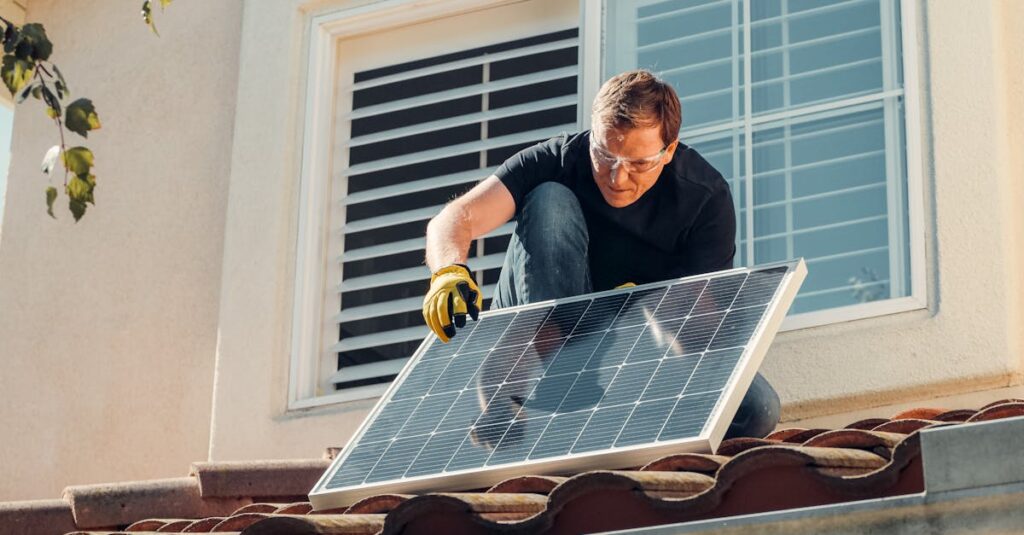
Natural light and energy efficiency highlight architectural choices in future smart homes. Incorporating large windows can reduce reliance on artificial lighting while integrating solar panels supports sustainable energy solutions. Furthermore, innovative insulation techniques contribute to temperature regulation, allowing smart thermostats to operate more effectively.
User experience dictates many architectural decisions. Homes designed with flexibility enable residents to adapt spaces for various activities. Thoughtful layouts support seamless transitions between indoor and outdoor spaces, making daily tasks more enjoyable.
Sustainability concerns drive architectural innovation in smart homes. Designers prioritize eco-friendly materials that not only align with technology but also promote environmental responsibility. The balance between aesthetic appeal and functionality becomes essential, ensuring that smart elements enhance rather than detract from the overall design.
Collaboration between architects and technology specialists enhances smart home design. Open communication ensures that both artistic vision and technical requirements align to create functional, beautiful spaces. As technology continues to evolve, architects will adapt designs that maximize the benefits of smart home features while meeting modern living demands.
Future smart homes promise to transform daily living through advanced technology that prioritizes convenience and security. With AI and IoT at the forefront, these homes will adapt to individual preferences and routines, creating a seamless living experience. Enhanced safety features and energy-efficient systems will not only provide peace of mind but also promote sustainable practices.
However, challenges like privacy concerns and implementation costs must be addressed to ensure widespread adoption. As architecture evolves to integrate smart technology, collaboration between designers and tech specialists will be crucial. Embracing these innovations will pave the way for smarter, more efficient homes that truly enhance the quality of life.