Imagine waking up in a world where your home knows you better than your best friend. From brewing your morning coffee to adjusting the thermostat just right, a remote-controlled home turns dreams into reality. No more wrestling with light switches or fumbling for the TV remote—everything’s just a swipe or a voice command away.
In this tech-savvy era, controlling your home is as easy as saying “Alexa, make my life easier.” With smart devices at your fingertips, convenience takes on a whole new meaning. Whether it’s securing your home or setting the mood for movie night, the possibilities are endless. Dive into the world of remote-controlled living and discover how it can transform everyday chaos into effortless harmony. Who knew your home could be so smart and, dare we say, a little bit sassy?
Overview Of Remote Controlled Home
Remote-controlled homes utilize advanced technology for seamless management of household tasks, enhancing comfort and convenience. These systems provide users with the ability to operate numerous devices from a central location.
Definition And Concept
Remote-controlled homes refer to residences equipped with devices that can be managed through remote access. These homes often integrate smart devices such as lights, thermostats, and security systems, allowing users to control them via smartphones or voice commands. The concept revolves around connectivity, enabling devices to communicate with each other and create a cohesive home environment. Home automation enhances lifestyle flexibility, making routine activities like adjusting the lighting or unlocking doors simpler.
Benefits Of Remote Control Technology
Remote control technology offers numerous advantages for daily living. Enhanced convenience ranks high, as individuals can manage various functions within the home from anywhere. Increased energy efficiency represents another significant benefit, with smart thermostats learning patterns to optimize heating and cooling. Security systems provide peace of mind by allowing homeowners to monitor their premises remotely. Adaptability suits diverse needs, as users can customize settings for different times of the day or specific activities. Improved accessibility supports those with mobility challenges, making home environments more inclusive.
Key Features Of Remote Controlled Homes
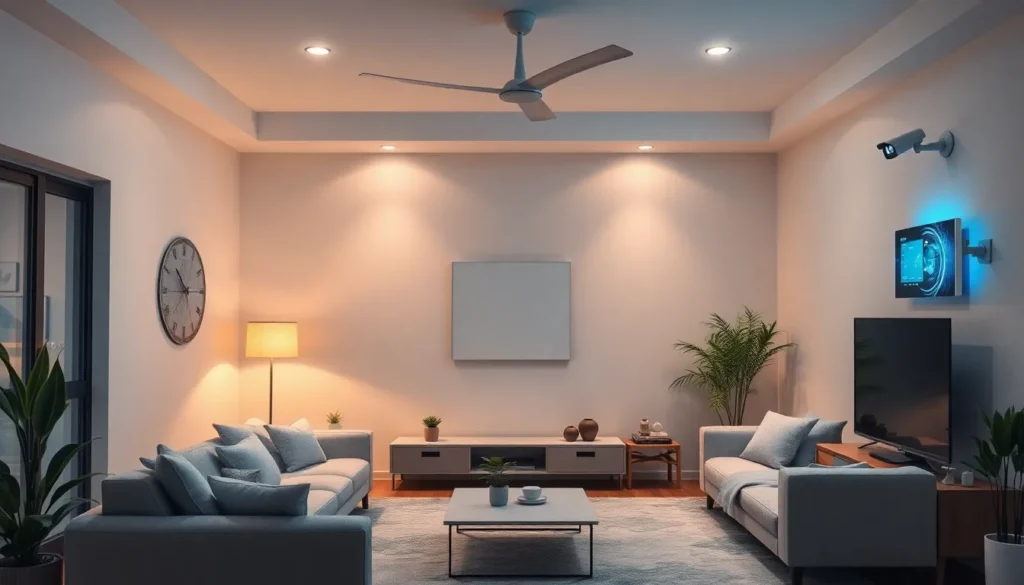
Remote-controlled homes offer a range of features that enhance convenience and efficiency. Key components include smart lighting systems, automated thermostats, and advanced security options that work together seamlessly.
Smart Lighting Systems
Smart lighting systems allow users to easily control home lighting from anywhere. They enable individuals to adjust brightness and color, creating desired ambiances. Scheduling features provide automated lighting at specified times, promoting energy efficiency. Integration with voice assistants simplifies operation, making it possible to manage lighting with simple commands. Many systems utilize sensors that activate lights based on movement, enhancing safety and convenience.
Automated Thermostats
Automated thermostats facilitate efficient heating and cooling management. Users can program temperature settings based on schedules or preferences, optimizing energy use. Connectivity to smart home networks allows remote adjustments through mobile apps, ensuring comfort at all times. Learning capabilities enable thermostats to adapt to user behavior, further improving energy efficiency. Some models provide real-time energy usage data, helping households track consumption patterns.
Security And Surveillance Options
Security and surveillance options ensure peace of mind for homeowners. Cameras and motion detectors integrate with smart home systems for real-time monitoring. Notifications alert homeowners about activities detected inside and outside the property. Remote access enables users to view camera feeds from anywhere, allowing for convenient oversight. Advanced systems offer features like facial recognition and cloud storage for recorded footage, enhancing security measures.
Popular Devices For Remote Controlled Homes
A variety of devices enhance the functionality of remote-controlled homes, making management effortless. Each device plays a critical role in creating a cohesive smart environment.
Smart Hubs
Smart hubs serve as central control points for various smart devices. They facilitate communication between devices and enable seamless interaction. Users can manage lights, thermostats, and other systems from one application. Compatibility with multiple platforms ensures that homeowners can integrate a variety of smart products. Examples of popular smart hubs include Amazon Echo, Google Nest Hub, and Samsung SmartThings. These hubs enhance user experience by consolidating control and automating tasks through routines and schedules.
Voice Assistants
Voice assistants simplify home management through voice commands. These systems, like Amazon Alexa and Google Assistant, provide hands-free control of connected devices. Users can issue commands for lighting adjustments, temperature changes, and multimedia controls. Setting reminders, playing music, and answering questions becomes easy with voice assistants. They learn user preferences over time, improving interactions and enabling personalization. Voice commands can toggle devices on or off, creating a truly smart living environment.
Smart Appliances
Smart appliances transform everyday tasks within the home. Refrigerators can notify users of expired items, while ovens may allow remote preheating. Brands like Whirlpool and LG offer washing machines that can be operated remotely. These innovations save time and ensure efficient performance. Smart appliances typically feature connectivity options, allowing integration with smart hubs and voice assistants. This interconnectivity leads to a more streamlined daily experience, enabling users to monitor and control appliances from anywhere.
Setting Up Your Remote Controlled Home
Setting up a remote-controlled home involves careful planning and execution to maximize convenience and efficiency. Multiple components require integration to create a seamless smart environment.
Planning And Design
Begin by identifying key areas needing automation, such as lighting, temperature control, and security. Determine your budget and choose devices that best fit your lifestyle. Create a layout that facilitates easy access to devices and ensures Wi-Fi connectivity throughout the home. Prioritize multi-functional devices to reduce clutter and enhance utility. Consider future expansion, ensuring new devices will integrate smoothly into your existing setup.
Installation Tips
Install devices systematically, starting with the central hub for managing communications. Ensure that all smart devices are compatible with the hub. Follow manufacturer instructions for each device to guarantee proper functionality. Position devices in locations where they can effectively communicate, avoiding obstructions. Also, make use of mobile applications provided by device manufacturers for easy setup and troubleshooting. Remember to test each device after installation to confirm everything functions correctly.
Integration With Existing Systems
Integrate new smart devices with existing systems to ensure seamless operation. Check compatibility with current home systems, such as security cameras and heating controls. Use bridge devices or smart hubs if necessary to facilitate communication between older and newer technologies. Regularly update software and firmware to improve compatibility and performance. This approach enhances the overall smart home experience by ensuring all components work together efficiently.
Challenges And Considerations
Remote-controlled homes offer convenience but come with unique challenges that require careful attention. He must consider security, cost, and compatibility when implementing smart technology.
Security Risks
Security risks can endanger a smart home environment. Unauthorized access to devices can lead to privacy breaches or theft. Protecting a network involves using strong passwords, enabling two-factor authentication, and regularly updating software. Implementing security cameras and intrusion detection systems enhances safety as well. Homeowners should educate themselves about potential vulnerabilities in devices, ensuring that security measures are consistently enforced.
Cost Factors
Cost factors significantly influence decisions related to smart home technology. Initial investments in devices can be high, ranging from hundreds to thousands of dollars. While energy savings and enhanced convenience provide long-term benefits, upfront costs may deter some homeowners. Planning a budget involves considering both purchase prices and installation expenses. Future costs such as maintenance and subscription fees for services must also be included for a comprehensive financial overview.
Compatibility Issues
Compatibility issues can complicate the integration of smart devices. Not all devices communicate seamlessly due to varying protocols and standards. A complete system often requires devices to be from the same brand or compatible ecosystems. Identifying which devices work together is crucial for optimal performance. Researching compatibility ahead of time can prevent frustration and ensure a smooth installation process. Prioritizing compatibility streamlines the home automation experience and enhances usability.
Embracing a remote-controlled home opens the door to a lifestyle defined by convenience and efficiency. The integration of smart technology not only simplifies daily tasks but also enhances overall comfort and security. As homeowners adapt to these innovations, they can enjoy a more connected and streamlined living experience.
While there are challenges to navigate, such as security concerns and compatibility issues, the benefits often outweigh the drawbacks. With careful planning and execution, anyone can create a smart home that meets their unique needs. Ultimately, investing in remote control technology can lead to a harmonious living environment that adapts to modern demands, making home management a truly enjoyable experience.