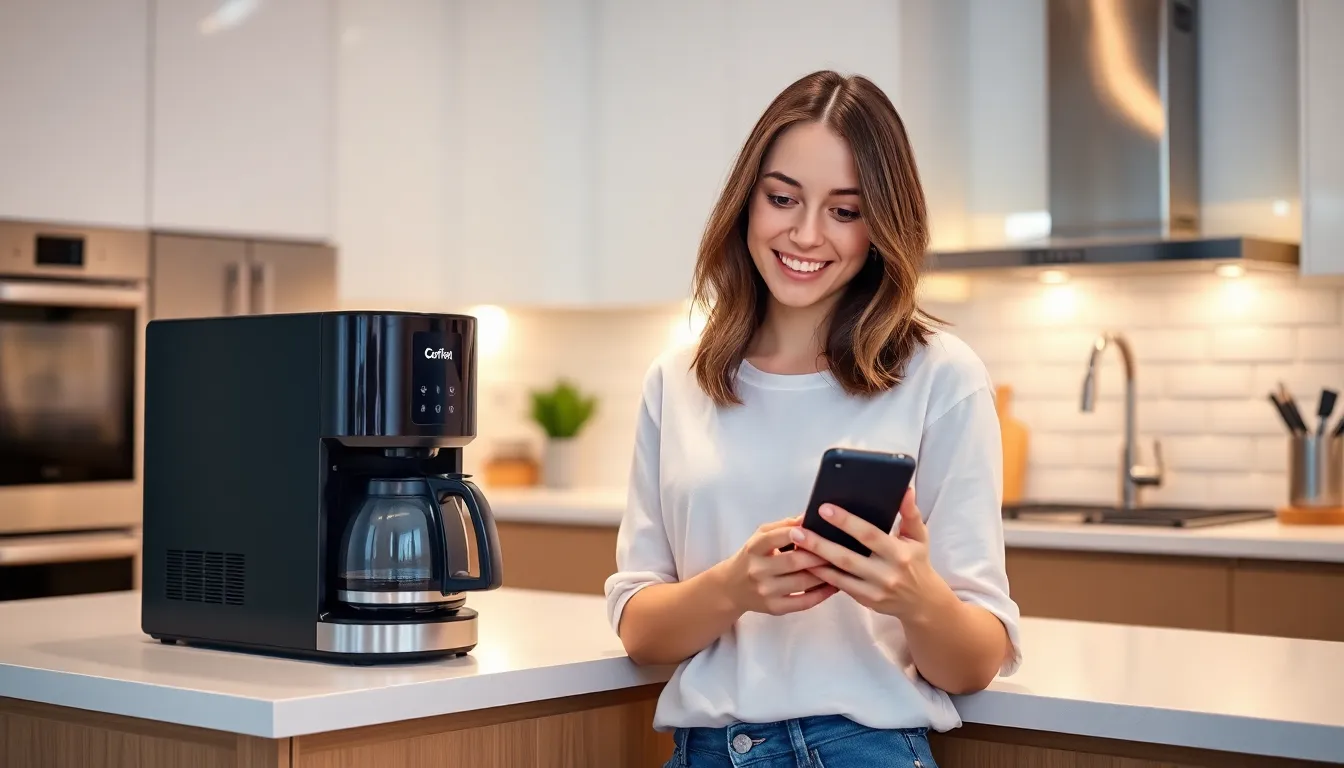

Imagine waking up to the gentle aroma of freshly brewed coffee, all thanks to your smart coffee maker. Or picture your lights dimming automatically as you settle in for movie night. Smart home technology isn’t just a trend; it’s a lifestyle upgrade that’s transforming everyday living into something out of a sci-fi movie.
Overview of Smart Home Trends
Smart home technology continues to shape modern living. Home automation systems streamline daily tasks, allowing users to control devices from anywhere. Voice-activated assistants play a pivotal role in this trend, with options like Amazon Alexa and Google Assistant improving accessibility and convenience.
Security technologies gain popularity as homeowners prioritize safety. Smart locks, security cameras, and motion sensors enhance home protection, giving users peace of mind. The integration of artificial intelligence elevates these devices, providing real-time alerts and personalized security measures.
Energy efficiency remains a crucial focus. Smart thermostats like Nest and Ecobee enable users to monitor and adjust their energy consumption effortlessly. These devices contribute to reduced energy bills, promoting sustainable living while enhancing comfort.
Connected appliances are gaining traction in the smart home realm. Products like smart refrigerators and ovens offer convenience, such as inventory tracking and recipe suggestions. This connectivity fosters a seamless cooking experience, integrating everyday tasks into a cohesive ecosystem.
Health and wellness technology also finds its place in smart homes. Devices that monitor air quality and provide reminders for hydration and exercise contribute to a balanced lifestyle. The demand for wellness-focused gadgets underlines a collective movement towards healthier living environments.
Smart home trends mirror consumer expectations for customization and integration. People look for solutions that simplify their lives while promoting sustainability and security. As technology advances, these trends will likely evolve, transforming homes into more intuitive, automated spaces.
Popular Smart Home Products
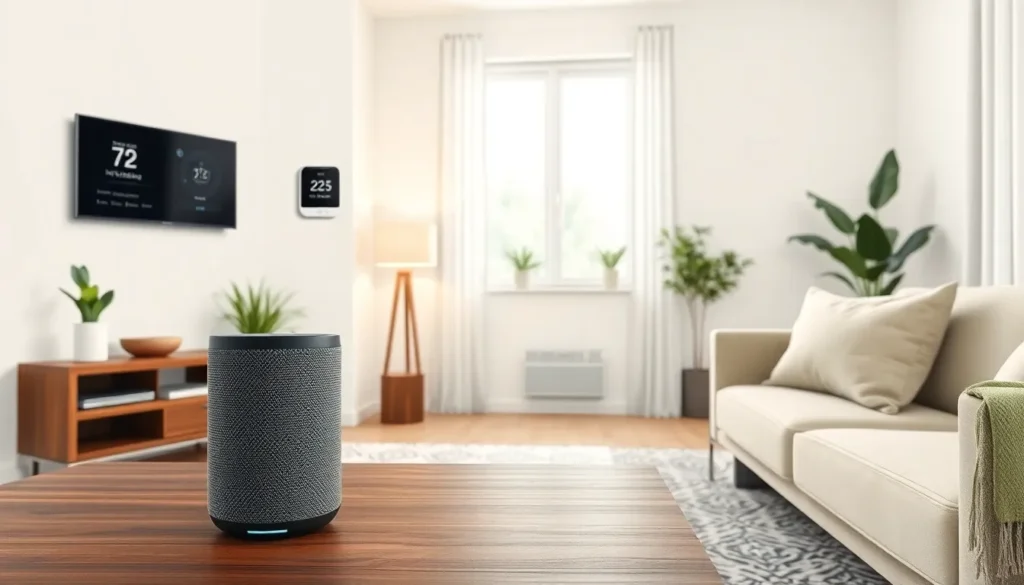
Smart home products enhance convenience, security, and energy efficiency in modern living spaces. The following categories showcase standout items leading the market.
Smart Speakers
Smart speakers dominate home entertainment and control. Devices like Amazon Echo and Google Nest Hub allow users to play music, set alarms, and interact with other smart devices effortlessly. Voice-activated functions provide hands-free control, making tasks simpler. Integration with various apps enhances entertainment options, from news briefings to weather updates. New models feature improved sound quality, making them suitable for music enthusiasts.
Smart Thermostats
Smart thermostats focus on energy efficiency and cost savings. Products like Nest and Ecobee learn user preferences, adjusting heating and cooling automatically. This functionality reduces energy consumption, ultimately lowering utility bills. Scheduling features enable users to optimize settings based on daily routines. Remote control access allows for adjustments while away from home, ensuring comfort and efficiency.
Smart Security Systems
Smart security systems prioritize home safety and peace of mind. Cameras and smart locks provide real-time monitoring and alerts, keeping users informed. Systems such as Ring and Arlo offer notifications directly to smartphones, ensuring homeowners are aware of any activity at their property. Integration with other smart devices enhances overall security management. Customizable settings enable tailored security solutions based on individual needs.
Emerging Technologies in Smart Homes
Smart homes continuously evolve as emerging technologies capture consumer interest. Innovations in IoT and artificial intelligence play crucial roles in redefining everyday living.
IoT Integration
IoT integration enhances smart home devices’ connectivity, enabling seamless communication between gadgets. Homeowners enjoy interconnected systems, where smart thermostats adjust temperatures based on user behavior. Devices like smart light bulbs sync with security cameras for alerts during unusual activity. Statistics show that 75% of consumers value device interoperability. Collectively, these advancements offer greater control and convenience while supporting energy efficiency and sustainability goals.
Artificial Intelligence
Artificial intelligence in smart homes streamlines user experiences while optimizing device performance. AI algorithms learn individual preferences and automate tasks, adjusting settings without user intervention. Smart speakers provide personalized responses, creating engaging, hands-free interactions. Research indicates that 60% of homeowners prefer AI-driven features for daily home management. Enhanced security options use AI for real-time monitoring, ensuring tailored safety measures. Overall, AI’s influence in smart homes drives innovation, making daily living more intuitive.
Benefits of Adopting Smart Home Solutions
Smart home solutions offer numerous benefits that enhance daily living. These advantages range from convenience to improved security.
Convenience and Efficiency
Smart home devices streamline daily tasks, allowing users to focus on what matters most. Remote control capabilities enable homeowners to manage systems such as lighting and temperature from any location. Voice-activated assistants like Amazon Alexa and Google Assistant provide hands-free operation, contributing to a seamless experience. Smart appliances, including refrigerators and coffee makers, simplify meal preparation and organization. With automated lights and heating, users enjoy customizable environments that adapt to their routines. Increased energy savings from smart thermostats like Nest and Ecobee further enhance efficiency, reducing monthly utility bills while promoting sustainable living. Overall, the integration of these technologies transforms everyday chores into effortless tasks.
Enhanced Security
Smart home technology significantly elevates residential security. Devices such as smart locks and cameras provide real-time monitoring, ensuring homeowners can supervise their property at any time. Those systems allow users to receive alerts and notifications instantly, creating a safer living space. With AI integration, security measures become personalized by learning routines and identifying unusual activity. Customizable settings enable individuals to tailor security solutions according to specific needs. Additionally, smart security systems like Ring and Arlo facilitate easy access control and visitor management. The ability to monitor and manage security remotely empowers homeowners with peace of mind, significantly enhancing their overall safety.
Challenges and Considerations
Smart home technology brings significant advantages, yet challenges persist. Privacy concerns rank high among users. Delving into connected devices raises questions about data security. Manufacturers often collect personal information, potentially exposing it to breaches. Users worry about unauthorized access to sensitive data, particularly with smart cameras and monitors. Trust in brands hinges on clear privacy policies and robust security measures.
Compatibility issues also present challenges in adopting smart home systems. Many devices adhere to different standards and protocols. Homeowners face difficulties integrating products from various manufacturers. Ensuring seamless communication between gadgets can prove frustrating, especially with smart hubs or wireless networks. Consumers may seek devices explicitly labeled as compatible or invest in centralized systems that facilitate better integration. Overall, these considerations necessitate careful planning for a successful smart home experience.
Smart home technology is reshaping how people interact with their living spaces. As innovations continue to emerge the focus on convenience security and energy efficiency is undeniable. Homeowners are increasingly embracing devices that not only simplify daily tasks but also enhance their overall quality of life.
With advancements in AI and IoT integration users can look forward to even more personalized experiences. However it’s essential to stay informed about privacy and compatibility issues to ensure a seamless smart home experience. As these trends evolve they promise to make homes smarter safer and more efficient than ever before.